The spine is made up of stacked vertebrae, with soft, shock-absorbing discs between each one. These discs cushion the spine, support movement, and help distribute weight efficiently.
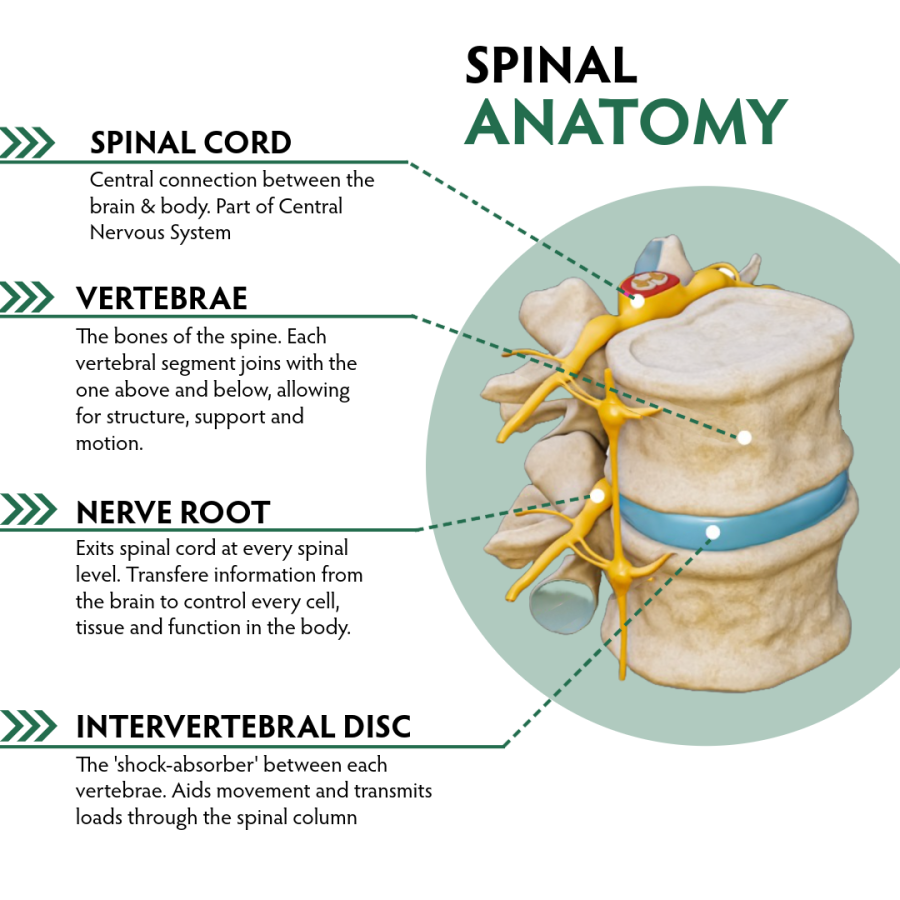
Think of these spinal discs like jelly-filled donuts:
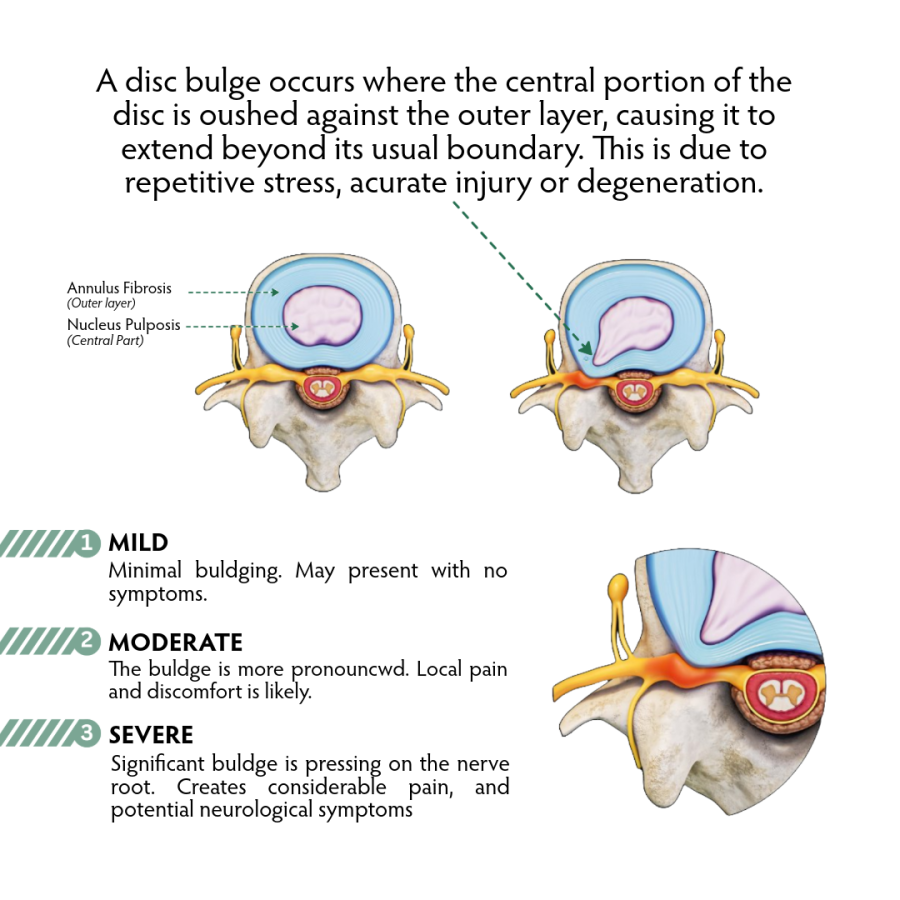
Disc bulges can range in severity:
🟣 Mild – May cause no symptoms or mild local pain.
🟣 Moderate – Can lead to discomfort, pain, and compensatory muscle tension.
🟣 Severe – Causes significant pain and may press on the nerve root, leading to neurological symptoms like numbness, tingling, or weakness.
Most disc bulges can be managed conservatively with chiropractic care, restorative movement, and strength work. Identifying and addressing repetitive stressors that contribute to disc injury is crucial to long-term recovery. A thorough assessment will help determine the severity of the condition and guide an appropriate care plan. In more serious cases, referral for MRI or specialist evaluation may be necessary.
Our spines aren’t invincible! Prioritizing spinal health through movement, strength, and proper care allows the body to adapt to life’s stressors more effectively—keeping you pain-free and moving well.
Our Chiropractors at Waitaki Chiropractic are registered professionals, holding their practicing certificate from the New Zealand Chiropractic Board to safely conduct care within New Zealand. Max and Maree are ACC accredited and can help with ACC claims and treatment plans for injuries and musculoskeletal conditions.
Maree has also completed an additional course by Backbone Academy in Australia for veterinary chiropractic which is recognised and certified by the IVCA (International Veterinary Chiropractic Association), AVCA and COAC in addition to holding her certification by the FEI (International Federation for Equestrian Sports) as a permitted equine therapist.